Integrity as the key to making AI in science sustainable
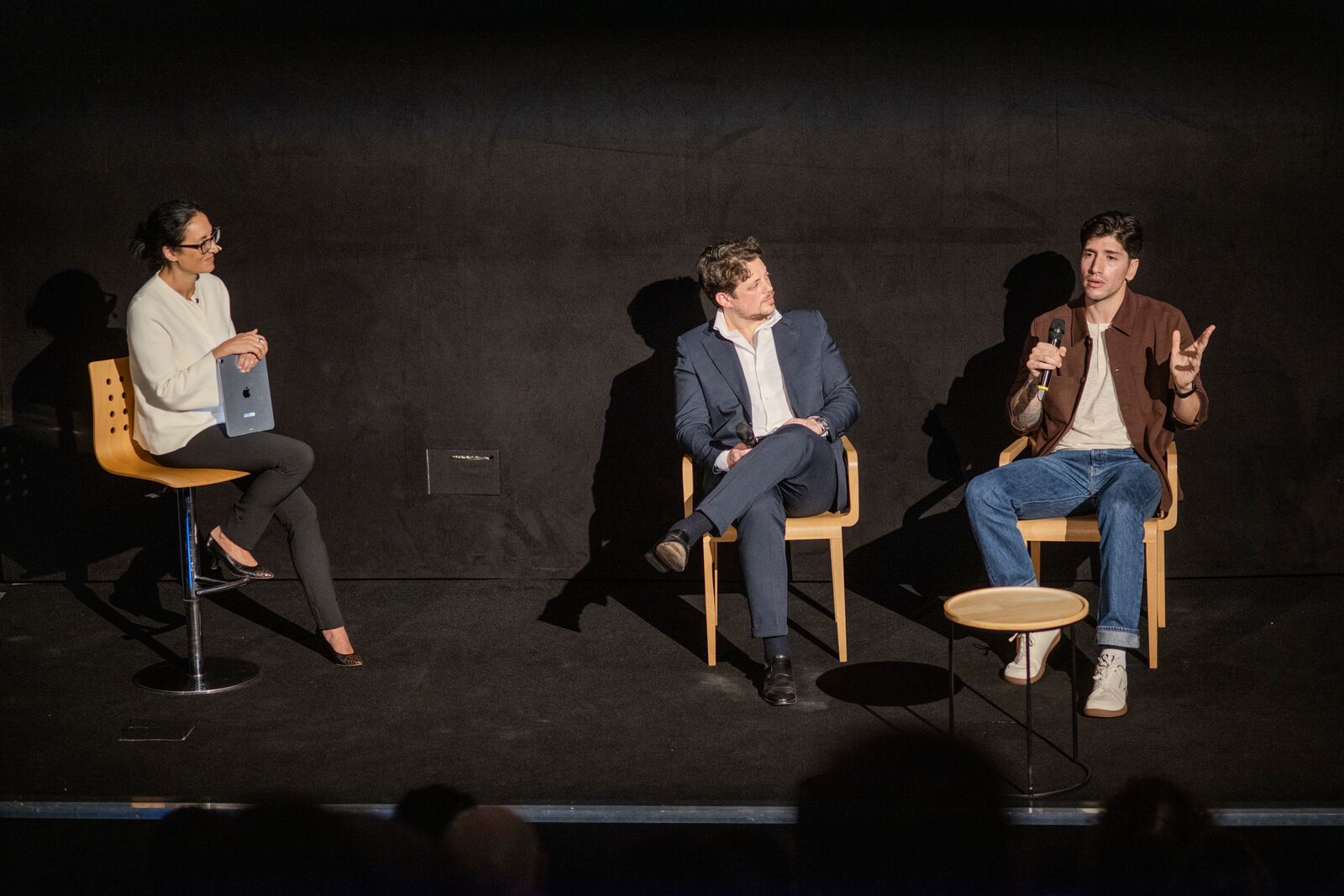
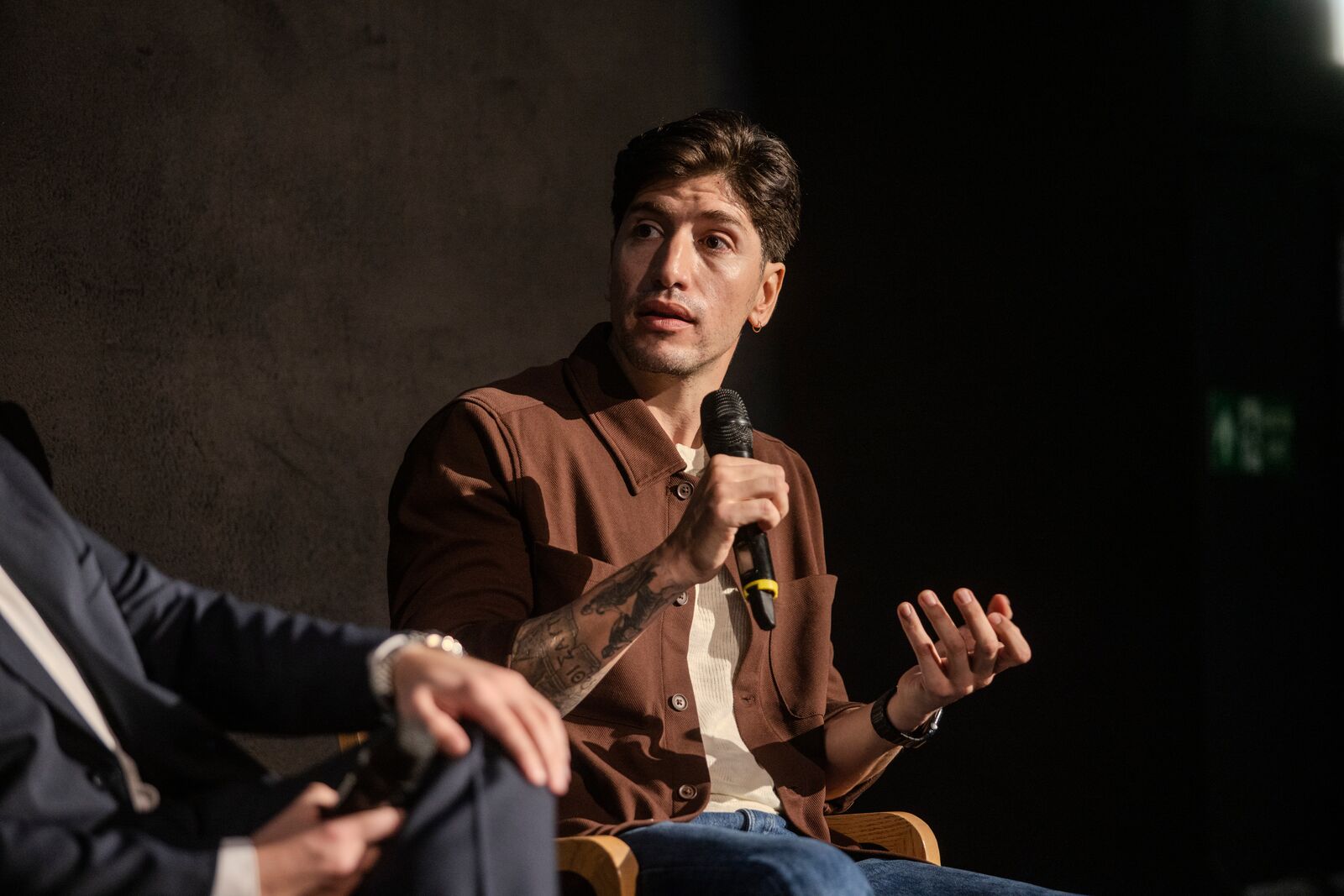
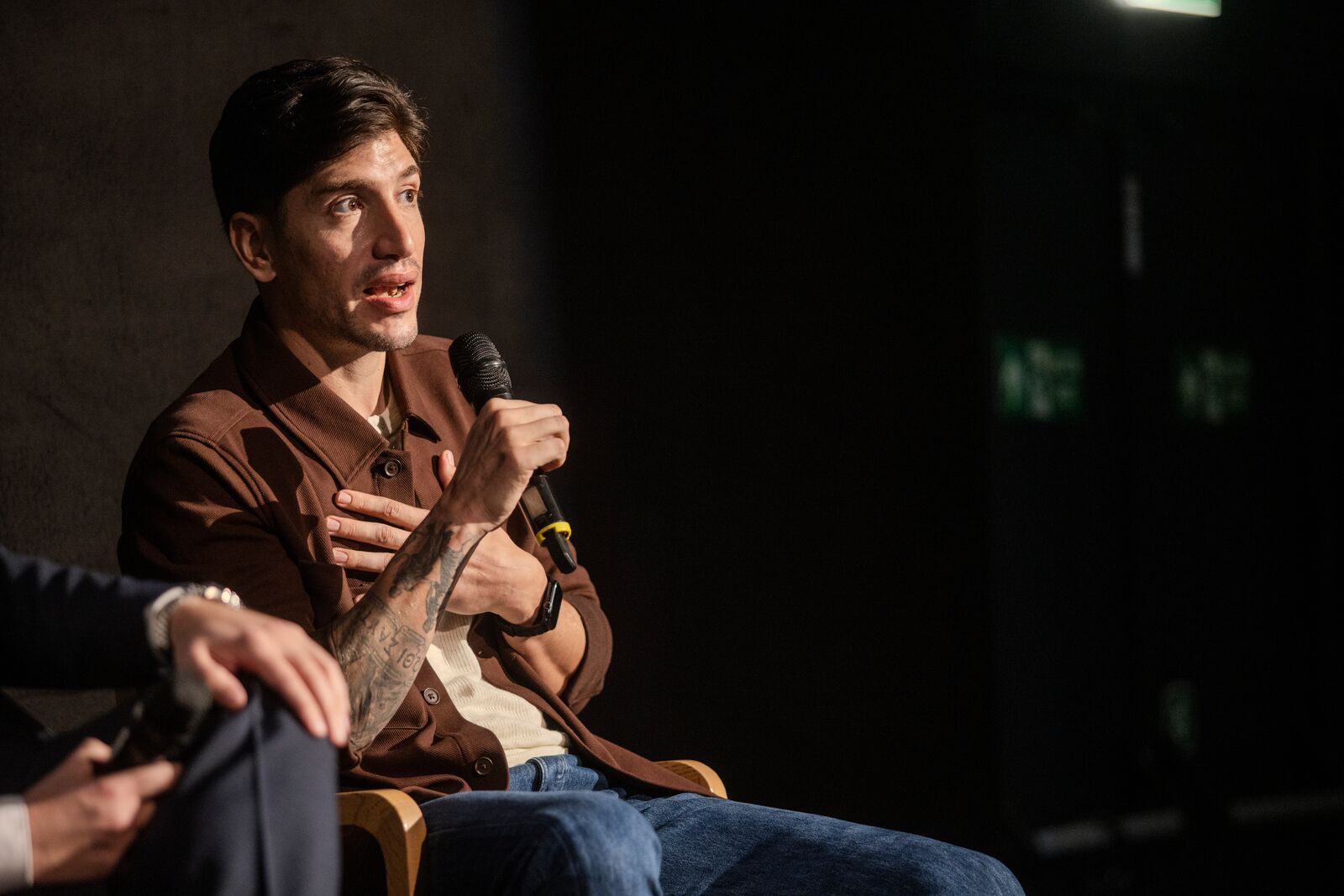
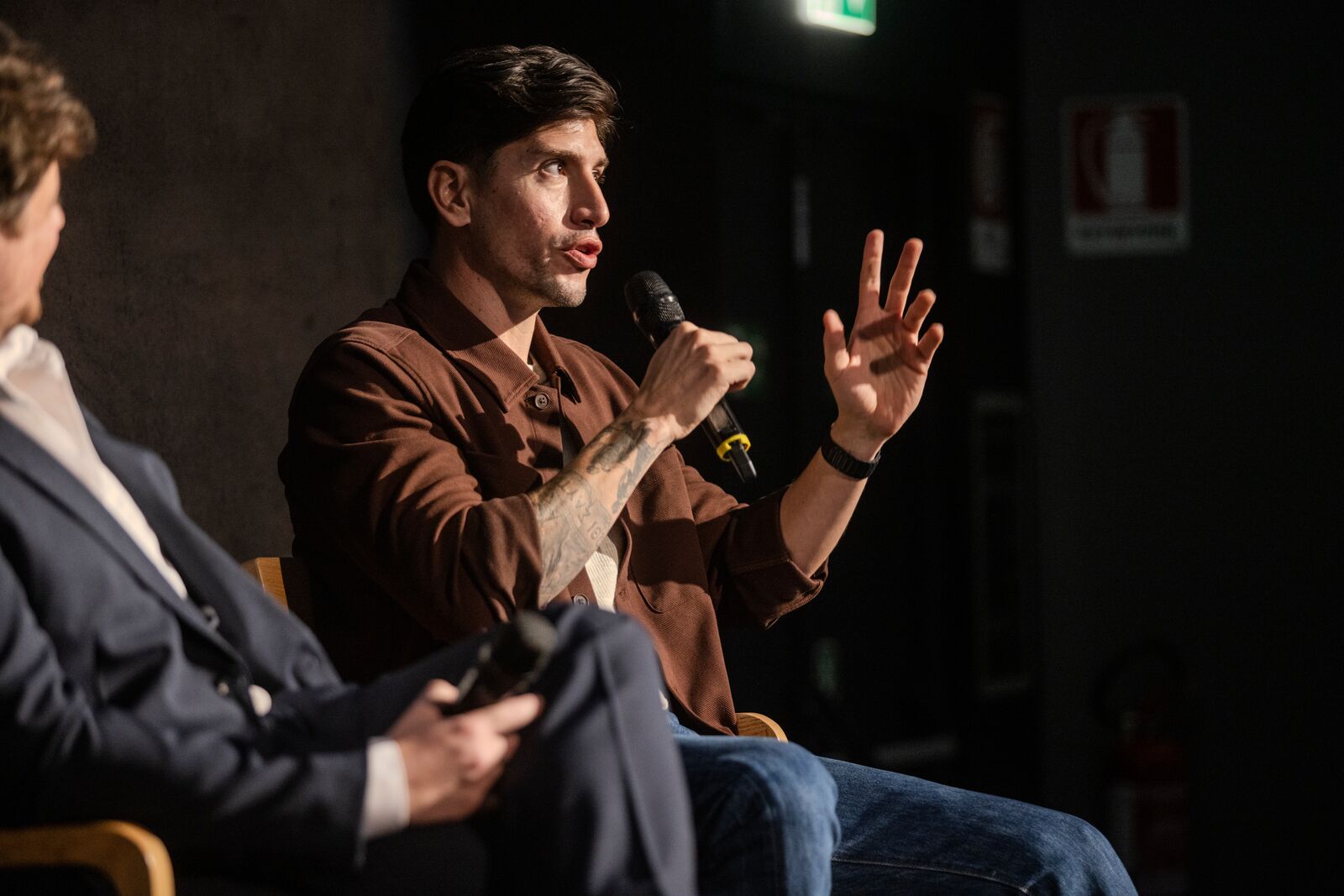
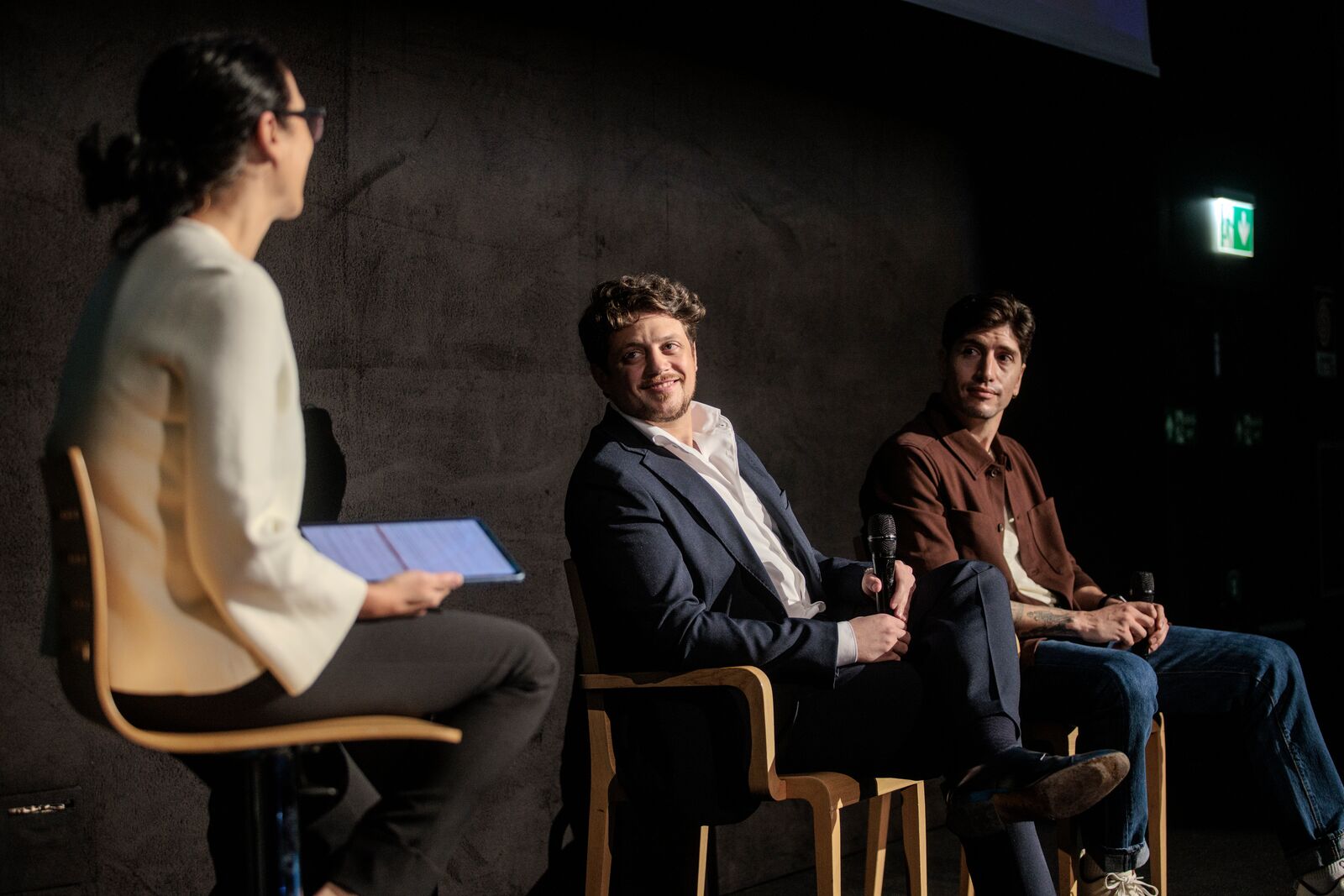
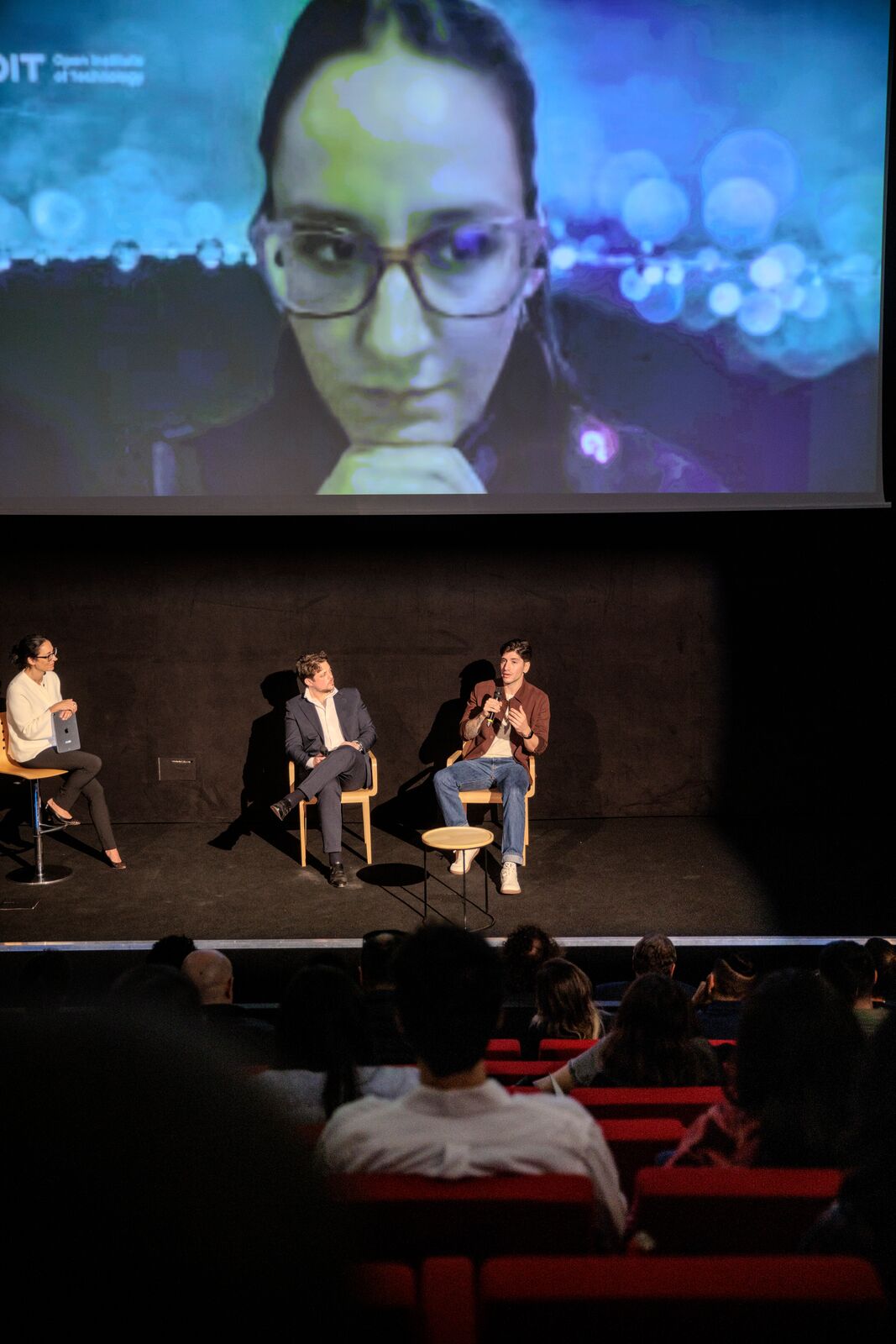
On 17 October, at the opening of OPIT's academic year in the Museo Nazionale dell'Automobile in Turin, I was asked a question I care about a lot: how do we keep integrity when we use AI in scientific research? This was my answer.
Thank you
I'm pretty sure we don't have every answer to this transition yet. Being able to talk about it, share and learn together is what brought us here, and I think it's the way forward. Thank you, OPIT, for the space.
OPIT is bringing education to people all over the world, and doing it very well. Being part of this day was a real honour. I shared the stage with Daniel Graditi and Flatra Thaqi, whose contributions are worth watching too, after talks by Barbara Cominelli, Hamilton Mann and Chris Stokel-Walker.
Thank you to Riccardo Ocleppo, Lorenzo Livi, Greta Maiocchi, Roberta Santoro Marins, Rosario Maccarrone and all the OPIT staff, and to Yavuz O. Uca, Alessio Marrone, Javi Suarez, Anita V. Gentile and Sara Ciabattoni for their work. A special thank you to Greta, Roberta and Riccardo, and to my thesis director, Sina Famouri. I hope we can keep building on this and do something together in the future.
The talk
Edited transcript of the talk.
Thank you very much for the question. I think integrity in science may be the key to making AI in science sustainable. Everything I learned during my time at OPIT helped shape the idea that integrity in science can be seen in three ways: inward, outward, and looking forward into the future of science.
Inward is a day-to-day thing. As a biologist, I run an AI-augmented research pipeline, and I use deep learning and machine learning to create new tools for biology. A couple of weeks ago we published a paper about an app that now does automatically something researchers used to do by hand. It was really time-consuming, and it was the bottleneck of that area of research. So it's a great innovation. But if you bring into science something that is now done automatically by an algorithm, and something goes wrong, and conclusions are drawn from that data, it could contaminate a whole area of science. For me, that would be terrible. Of course, it's peer-reviewed work, and that's the beauty of science: your peers check on you. But I think integrity in this case shouldn't come from outside. It must come from inside: owning what we do, being mindful of the tools we use, and setting the proper steps, like protocols for experiments, protocols for audits, and triple checks when necessary. That's integrity looking inward.
Looking outward has to do with one of the questions Chris left us, about the people around us. It made me think: what about the people who don't have access to these tools? Today I run a full-time job, a capstone, two papers and two side projects, all because I have access to a Max subscription from one of the AI companies. But what about my colleagues in Latin America, in Africa, in Asia, who don't have 200 euros to spare on a subscription? Science has always been tough. It's publish or perish. But right now the gap is getting bigger and bigger, and that's inequity. If people don't have access to this, they will be left behind, and we will make science something exclusive to people who can pay for a subscription. In that regard, I think OPIT is really encouraging. In my classes I had classmates from all around the world: from America, from Africa, from Asia, from all over Europe. That's a peek into how the future should be, with people finding their way to knowledge. Because, again, if we don't do that, science is going to become something exclusive.
That takes me to the third point: looking forward into the future of science and integrity. This is happening right now, as we talk. I think the tipping point was a big AI company announcing its solution to one of the Millennium Prize Problems, the Navier–Stokes one. And not long ago, as Chris said, about ten days ago, they dropped more than 700, not papers, but advances in different branches of science, and the scientific world turned upside down. The internet went mad: "AI solved maths". That's so misleading, because until now that's not how we did science. It was not so much about the endpoint as about how we got there: all the methods and techniques we built while trying to get the answer, which we then extrapolated to other branches of science, and collaborated on. That's how we have done science until now. But now we are getting fed the answers. We just put the problems out there and we get fed the answer.
That's really frightening, because it's not only mathematics. Biology is next in line. Big AI companies are already operating AI-run scientific labs. How is that going to work for a researcher? Should I just go back to my computer, type "Cure cancer, make no mistakes, please" and hit enter? And if it works, do I get the Nobel, or do we just hang the medal on the GPU? I don't know how that's going to work. Jokes aside, if these big AI models help us achieve these wonderful results, we will celebrate. But here is what I'm afraid of: that from now on, or in five or ten years, studying science will just mean learning to understand what is being fed to us. No creativity, no discovery, no active part in the act of learning. Just interpreting what a big private model gives us. That could mean turning science into another consumption industry, like social media, like streaming, like fast food. I really hope that's not the case, because for me, integrity looking forward means humans staying at the centre of the discovery process, the creative process and the learning process, as we have been talking about so far.
I don't want to sound like an AI fatalist. I really like AI. I use it every day. I'm all for AI curing cancer, AI giving us flying cars like the one presented two days ago, AI solving teleportation. If that happens, I'll finish this and go have dinner with my grandmother in Argentina straight away.
But seriously, that's where I stand on integrity in science in the era of AI. I think it's the key to sustainability. Inward means owning what we do, as students, as scientists, on the business side, and knowing the tools we're using. Outward means making sure everybody can take part in this big revolution. Looking forward means making sure humans stay at the centre of the scientific process, of the discovery process, of that little spark of discovering something new. And I think we are in the right place to do that. Here at OPIT I didn't only get the tools to understand this technology and use it. I was encouraged to put my word out there. So I would like to encourage everybody who is starting their studies today to do the same. Put your word out there. Get into the conversation. Otherwise, we are going to live in a world decided by other people. Get the information, get the knowledge, put your word out there, and help reshape this future, which is not the future anymore. It's right now.
Thank you for having me.
Photos
OPIT Academic Year Kick-Off, Museo Nazionale dell'Automobile, Turin, October 2026